

Most property owners assume backflow installation is straightforward. Where you just install a device, pass inspection and move on.
In reality backflow installation differences between residential and commercial properties are significant and misunderstanding them leads to failed inspections, fines or worse contaminated water lines.
And so the rules aren’t here for just decoration purposes. They exist because homes and businesses pose very different risks to the public water supply.
That is why understanding those differences is the first step toward code compliant backflow installation.
Residential Backflow Installation: Simpler But Still Regulated
Residential backflow installation typically applies to single family homes, small multi unit properties and certain irrigation systems.
And so in most residential cases:
- Devices are smaller and less complex.
- Installation points are easier to access.
- Risk classification is considered low hazard.
Plus common residential triggers include lawn irrigation systems, fire sprinklers or auxiliary water sources.
So the focus is on preventing back siphonage where contaminated water gets pulled back into the supply during pressure drops.
But that doesn’t mean homeowners get a free pass as backflow prevention device placement still must follow all local plumbing and water authority rules. Where devices must be installed at the correct height, remain accessible for testing and be protected from freezing.
And this is where many DIY installs fail inspections.
Commercial Backflow Requirements: Higher Risk And Stricter Rules
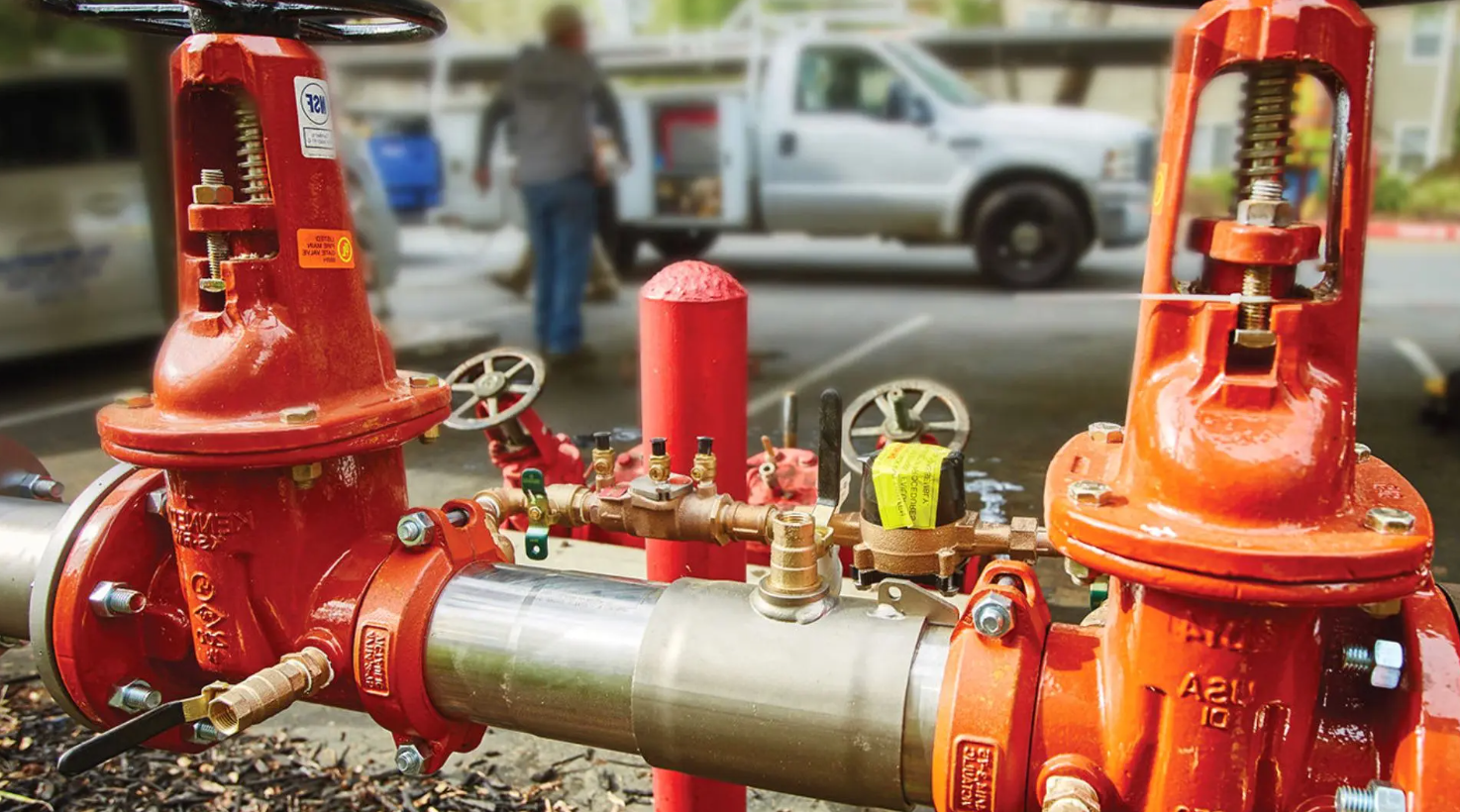
Commercial backflow requirements on the other hand are far more demanding because businesses often introduce chemicals, grease or industrial byproducts into their plumbing systems.
And so commercial properties commonly require:
- Larger commercial backflow assemblies.
- Reduced Pressure Zone (RPZ) devices.
- Dedicated test ports and clearance zones.
- Annual or more frequent testing.
Restaurants, medical facilities, manufacturing sites and apartment complexes are all considered higher hazard. As their systems must protect not just the property but the surrounding community.
And that is why installation errors in commercial systems don’t just fail inspections they can also shut down operations entirely.
That is why most municipalities require installation by Backflow Joe’s certified installers as their licensed professionals understand commercial compliance inside and out.
The Real Difference Is Risk Level And Not Building Size
Now the biggest misconception is that commercials simply mean larger. No in reality the determining factor is risk to the water supply.
Because a small restaurant may face stricter requirements than a large residential home because of grease traps, dishwashers and chemical cleaners.
That is why NY backflow regulations classify properties based on hazard and not square footage.
And the local authorities then apply those principles at the municipal level.
Installation Mistakes That Cause Inspection Failures
Across both residential and commercial installs the same mistakes show up again and again:
- Incorrect device type for the hazard level.
- Improper clearance around test ports.
- Devices installed below the flood level.
- No shutoff valves or improper orientation.
And these aren’t small details as inspectors check every one of them and so if you want to avoid them then take a look at the Diamond Scenery guide where they show you how to prevent these mistakes from happening.
Why Professional Installation Saves Money?
Cutting corners by doing it all yourself on installation often leads to:
- Failed inspections.
- Repeat service calls.
- Emergency replacements.
- Municipal fines.
That is why professional installers don’t just install devices. They also select the right assembly, position it correctly and ensure it passes inspection the first time.
And so for commercial properties especially the downtime costs far more than proper installation ever will.
So if you are managing a business or multi unit property then working with a Backflow Joe’s team that understands commercial backflow requirements isn’t optional it is risk management.
Conclusion: Installation Is About Protection And Not Paperwork
Whether it is a home or a business the backflow protection only works if the installation is done right.
Where residential backflow installation focuses on simplicity and prevention whereas the Commercial backflow requirements demand precision, planning and strict compliance.
And so the difference here isn’t really about bureaucracy. It is public safety.
That is why when installation matches the actual risk level of the property the inspections pass, the systems last longer and water stays clean for everybody. That right here is the outcome Backflow Joe’s builds toward on every job.
So if you are unsure whether your system meets current requirements or you are planning a new install then getting it evaluated by us will save you from expensive corrections later.
Because clean water depends on getting this right even if it is the first time.