

Backflow rules aren’t some red tape scenario. They exist because one improperly installed device can contaminate an entire water system.
And that is not hypothetical it happens more often than most property owners realize.
Because Local backflow installation codes are written to protect public water supplies from cross connections, pressure changes and contamination risks.
While the core principles are similar nationwide the actual requirements are enforced at the municipal level. That is where most compliance issues start.
And so what passes inspection in one town can fail miserably in the next.
How Local Codes Override General Plumbing Rules?
Many property owners assume that following the state plumbing code is enough. No it isn’t.
Why? Because municipal backflow regulations often go beyond state guidelines where cities and water authorities can require:
- Specific device types based on hazard classification.
- Minimum installation heights.
- Dedicated test port clearances.
- Annual or biannual testing schedules.
Even the placement of shutoff valves can vary as inspectors aren’t playing a guessing game they are enforcing local water authority standards that carry legal weight.
So this is why proper backflow installation depends more on local knowledge than generic plumbing experience.
Residential Vs Commercial Compliance Expectations
Local codes draw a clear line between residential and commercial properties even when the plumbing setup looks a whole lot similar.
Because residential compliance typically focuses on irrigation systems, auxiliary water sources or fire suppression lines. Yeah these are usually considered low to moderate hazards.
While the commercial properties on the other hand face stricter backflow compliance requirements due to higher contamination risks.
Where restaurants, medical buildings, car washes and multi unit properties are often required to have:
- Reduced Pressure Zone assemblies.
- Larger commercial grade devices.
- More frequent inspections.
And so the risk level is not the building size but it is about the rules. Plus Fred Co Plumbing is going to give you 10 reasons why all this is necessary so give it a look.
Poor Installations That Trigger The Compliance Failures
Most failed inspections don’t happen because the wrong device was chosen. No they happen because the installation ignored the local code details.
And so common violations include:
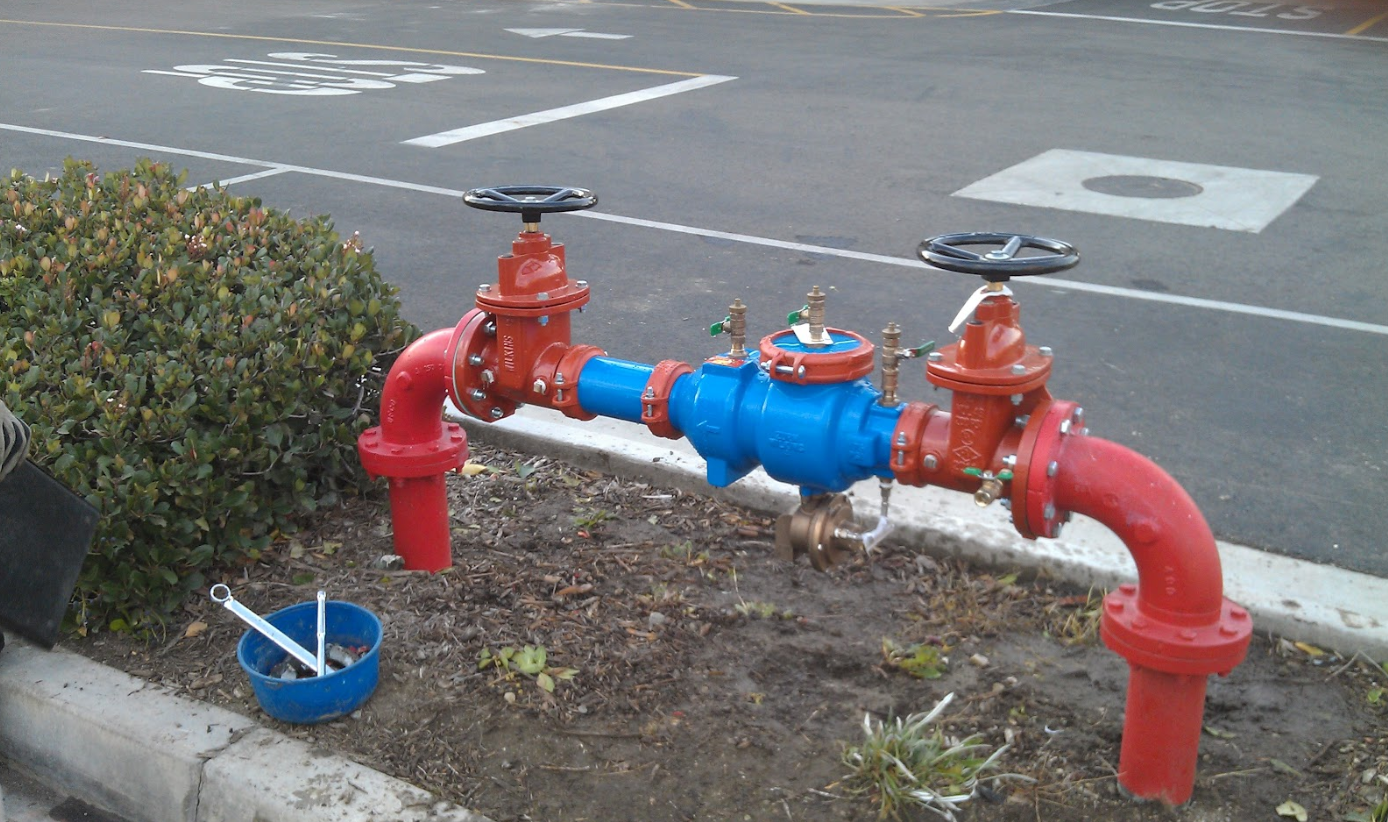
- Installing below the flood level.
- Insufficient clearance for testing.
- Incorrect orientation of assemblies.
- Missing or improperly placed shutoff valves.
That is why inspectors are trained to check these specifics because they directly affect backflow inspection standards and long term reliability.
Testing Is Part of Compliance And Not Some Afterthought
Passing installation doesn’t mean that you are going to be compliant forever.
Most local authorities require annual testing and some require even more frequent checks depending on the hazard level. Where missed tests can result in notices, fines or even water service disruption.
That is why Backflow Joe’s compliance testing focuses on keeping every property inspection ready for all year round and not just at renewal time.
Why Certified Installers Matter More Than Ever?
Because local codes change. Water authorities update their requirements. And the inspection criteria evolve.
And so working with certified backflow installers like Backflow Joe’s means that your system isn’t installed based on outdated assumptions. In fact it is installed to current standards and documented properly for inspectors.
Because that documentation matters and many municipalities require:
- Installer certification numbers.
- Test reports on file.
- Compliance history tied to the property.
As without these records even a technically sound system can fail compliance reviews.
Compliance Isn’t About Fear It Is About Total Control
Backflow compliance isn’t designed to punish property owners. No far from it as it is designed to prevent one mistake from becoming a public health issue.
And so when the NY backflow compliance rules are followed correctly then the inspections become a routine instead of stressful, the systems last longer and emergency corrections disappear.
And most importantly the water stays safe for your property and everyone connected to that same supply.
Conclusion: In The End Local Codes Decide Whether You Pass Or Fail
Backflow installation isn’t finished when the device is bolted in place. It is finished when it meets local backflow installation codes, passes inspection and stays compliant year after year.
And so ignoring municipal requirements is the fastest way to fail inspections and rack up avoidable costs. And only by understanding them or working with professionals who already do this can you keep everything running smoothly.
That is exactly where Backflow Joe’s operates inside the rules, ahead of inspections and focused on long term compliance instead of quick installs.
Because clean water doesn’t just happen by accident. It is compliance that makes it possible.